Torres del Paine is Chile’s best-known national park and one of the most breathtaking landscapes on Earth: granite peaks, glaciers, turquoise lakes and wildlife that’s easier to spot here than almost anywhere else. Making the most of it takes planning ahead. Here’s how.
How to Get to Torres del Paine
The park is in the Magallanes Region, at the southern tip of Chile. The gateway is Puerto Natales, a town on the shores of the Última Esperanza fjord, about two hours from the park by road.
To reach Natales, most travelers fly from Santiago to Punta Arenas and continue about three hours by bus or car. In high season there are also direct flights to the Puerto Natales airfield. From El Calafate, in Argentina, it’s a five- to six-hour overland crossing—a great way to combine the park with the Perito Moreno Glacier.
Best Time to Visit Torres del Paine
| Season | What it’s like | Best for |
|---|---|---|
| Spring (Oct – Nov) | Days getting longer, fewer crowds and changeable winds. | Unhurried trekking and wildlife with their young. |
| Summer (Dec – Feb) | Up to 17 hours of daylight and milder temperatures. High season, and very windy. | Hiking the W or the O Circuit. |
| Fall (Mar – Apr) | The lenga forests turn red and gold; less wind and fewer visitors. | Photography and quiet hikes. |
| Winter (May – Sep) | Snowy landscapes, short days and many services closed. | Travelers seeking solitude and puma sightings. |
Good to knowWind is part of the Patagonian landscape: in summer, gusts can be extremely strong. A windproof, waterproof jacket is a must in any season, and your plans should always leave some room for the weather.
Torres del Paine Must-Sees
The Base of the Towers
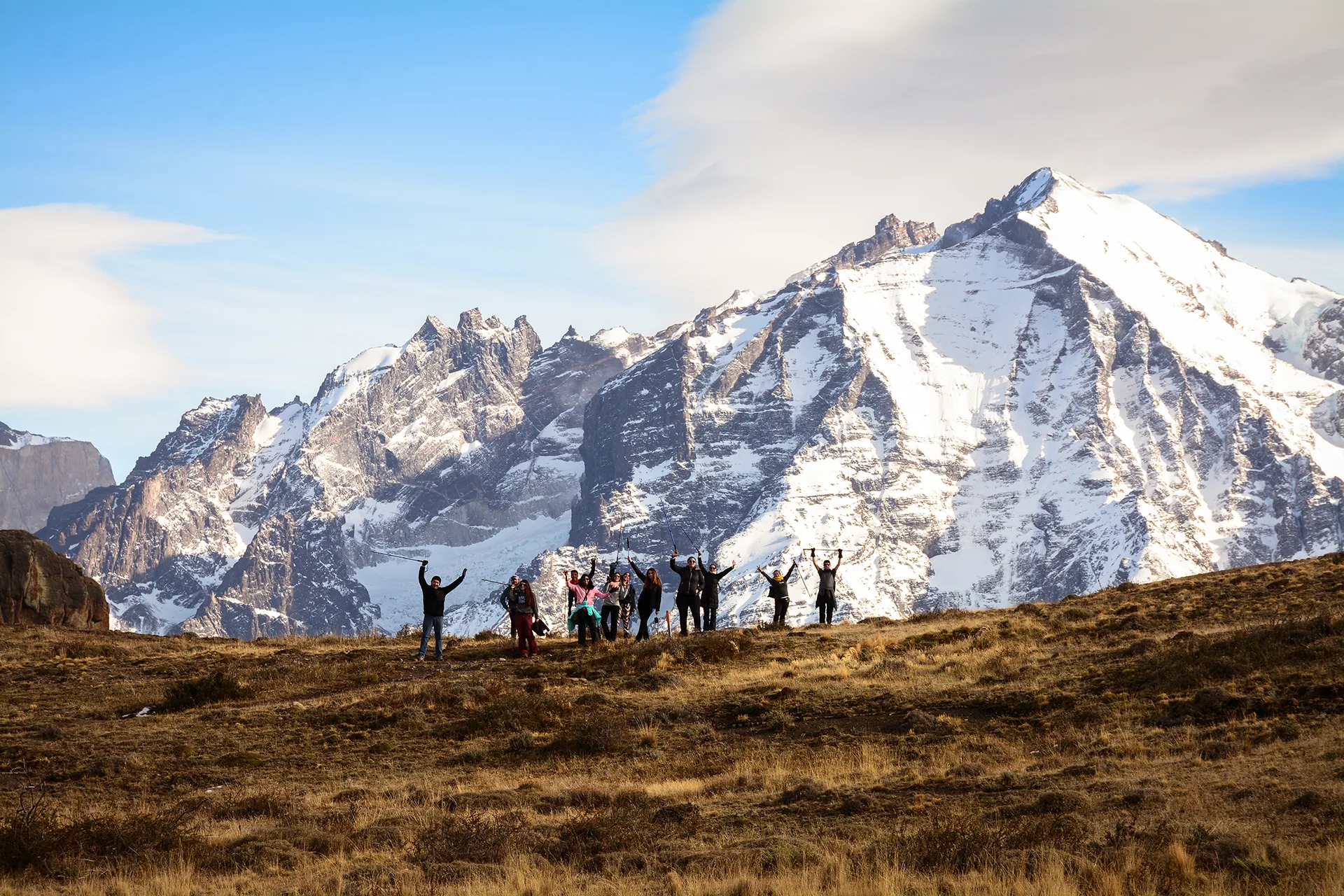
The park’s most famous hike: about 20 kilometers round trip and eight to ten hours on the trail, to the lagoon at the foot of the three granite towers. The final stretch is a steep scramble over rocks, but the view at the top makes it all worth it.

The Cuernos and Lake Pehoé
From the Cuernos lookout and the Salto Grande waterfall you get one of the most classic views of the massif, with Lake Pehoé in an almost unreal shade of turquoise. It’s a short walk, suitable for nearly everyone.
Grey Glacier
You can see it from the viewpoint by Lake Grey, hike to it along the W or—our top pick—sail across the lake to the glacier face, past blue icebergs.

Wildlife
Guanacos, rheas, foxes, condors and—with luck and a good guide—pumas. The eastern sector of the park, near Laguna Amarga, is where you’ll see the most. There are specialized puma-tracking outings with guides who know the cats’ territories.

How Many Days Do You Need in Torres del Paine?
- 1 day: a vehicle tour of the main viewpoints from Puerto Natales. You’ll see a lot, but in a rush.
- 2 to 3 days: ideal for most travelers: the hike to the Base of the Towers, the viewpoints, Grey Glacier and some wildlife.
- 4 to 5 days: the W Trek, the park’s best-known multi-day route.
- 7 to 9 days: the O Circuit, which loops around the entire massif.
If you also want to see the glaciers on the Argentine side, add two or three days in El Calafate, as in our Ice and Adventure getaway.
Park Tickets and Reservations
Park entry tickets are bought online before you arrive, and the refuges and campsites on the W and the O Circuit are booked months ahead for high season. Camping or overnighting outside designated sites is not allowed. That’s why it pays to plan your trip early, especially if you’re going between December and February.
And one rule Torres del Paine takes very seriously: fires are prohibited outside authorized areas. The wildfires of recent years left scars you can still see today.
Our Patagonia Trips
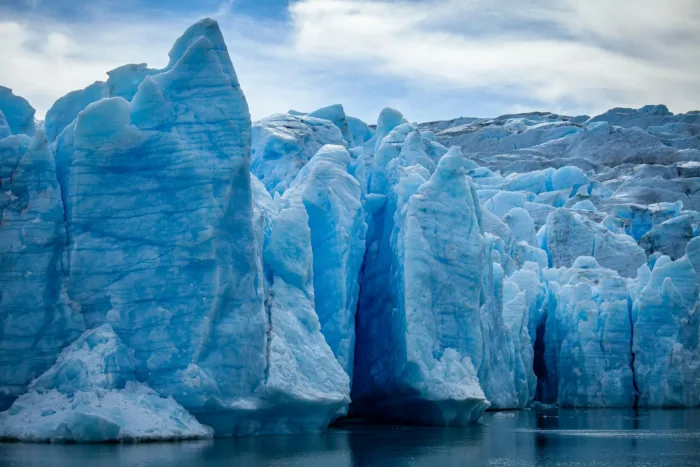
Getaway · 5 days
Ice and Adventure: Patagonia's Glaciers
A journey through Chilean and Argentine Patagonia to discover some of its most breathtaking glaciers.
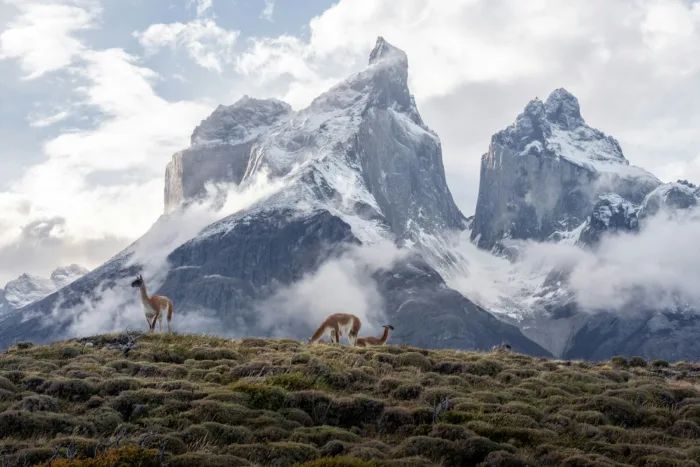
Getaway · 5 days
Wildlife Watching in Chilean Patagonia
If you love wildlife, this adventure is for you: discover the native fauna of Chilean Patagonia.
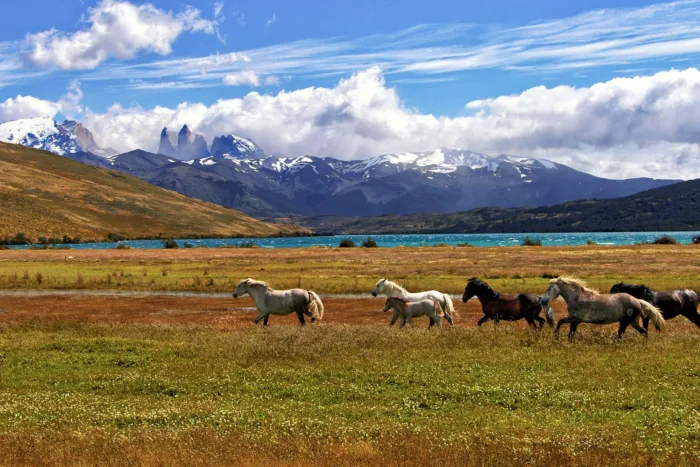
Trip idea · 12 days
Atacama Desert and Chilean Patagonia
A journey through Chile's most breathtaking landscapes, from the Atacama Desert to majestic Patagonia.